The Fundamentals: FTL and LTL Defined
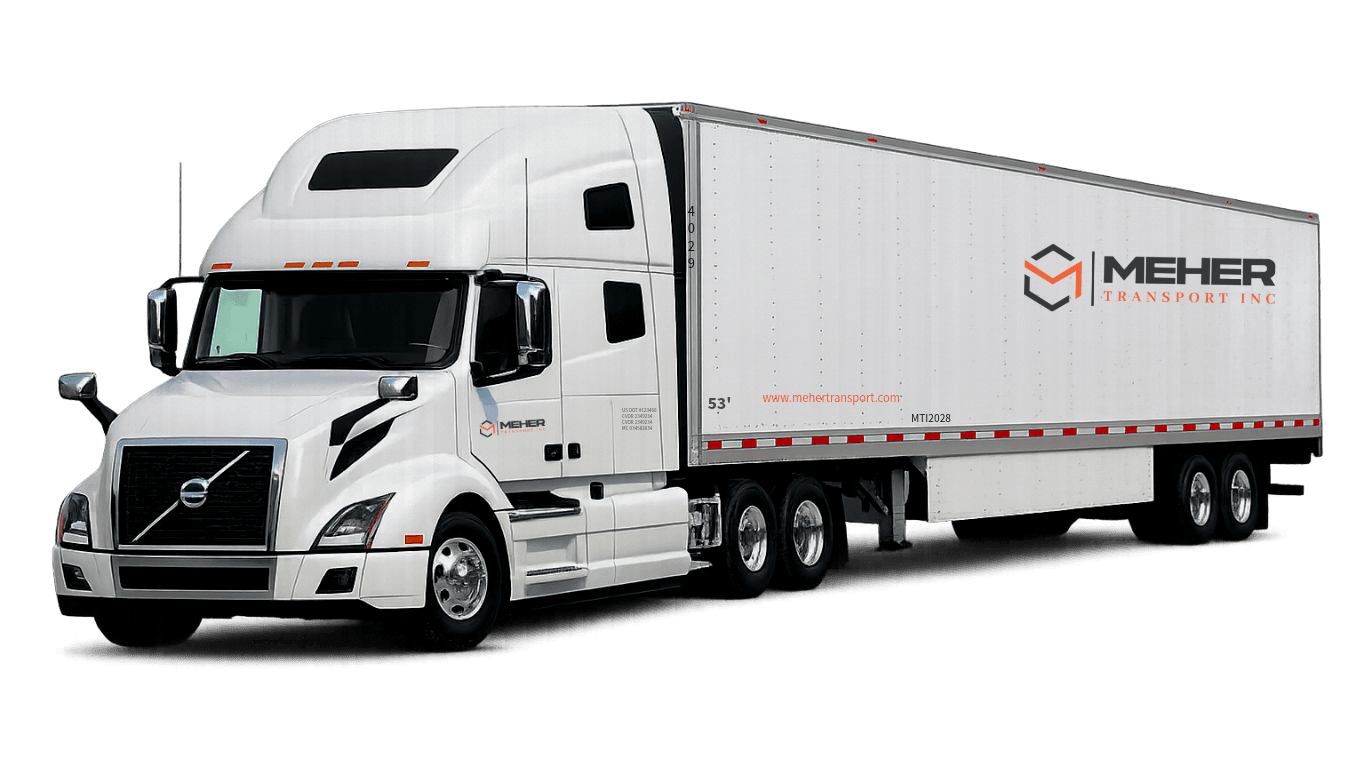
Full truckload (FTL) and less-than-truckload (LTL) represent the two primary modes of over-the-road freight transportation in North America. Understanding the operational differences between them is essential for making informed shipping decisions that optimize both cost and service quality. FTL means your freight occupies an entire trailer, traveling directly from your dock to the consignee without stops. LTL means your freight shares trailer space with shipments from other shippers, making multiple stops along the way for pickups and deliveries.
| Factor | Full Truckload (FTL) | Less-Than-Truckload (LTL) |
|---|---|---|
| Best for | 10,000+ lbs or more than half a trailer | 150–10,000 lbs |
| Transit time | Faster — direct, no transfers | Slower — multiple terminal stops |
| Handling | Minimal — one load, one unload | Repeated — terminal consolidation |
| Damage risk | Lower | Higher |
| Cost on small loads | Higher — you pay for the whole trailer | Lower — you share the trailer cost |
| Scheduling | Flexible pickup and delivery windows | Fixed carrier schedules |
When FTL Makes Sense
Full truckload shipping is typically the better choice when your shipment weighs more than 10,000 pounds or occupies more than half of the available trailer space. At these volumes, FTL rates per pound are generally lower than LTL rates, and the service advantages are significant. FTL shipments travel directly from origin to destination without transfers, which means faster transit times, lower damage risk, and more predictable delivery schedules. If your freight is time-sensitive, fragile, high-value, or requires specific handling conditions, FTL provides the control and security that LTL simply cannot match.
FTL is also the right choice when you need to control the exact timing of pickup and delivery. LTL carriers operate on fixed schedules with pickup and delivery windows that may not align with your operational needs. With FTL, you can schedule pickup and delivery at the times that work best for your dock operations, your production schedule, and your customer requirements. This scheduling flexibility is particularly valuable for just-in-time manufacturing environments and retail distribution operations with strict appointment windows.
When LTL Makes Sense
Less-than-truckload shipping is designed for smaller shipments, typically between 150 and 10,000 pounds, that do not require an entire trailer. LTL carriers consolidate multiple shippers' freight into a single trailer, with each shipper paying only for the space their freight occupies. This consolidation model makes LTL significantly more economical than FTL for smaller shipments, as you are not paying for empty trailer space. LTL is ideal for businesses with regular, smaller shipments that can tolerate slightly longer transit times and the handling that comes with terminal-based consolidation.
However, LTL shipping involves more handling than FTL. Your freight will be loaded and unloaded at origin and destination terminals, and potentially at intermediate terminals along the route. Each handling event introduces a small risk of damage or delay. LTL transit times are also longer than FTL because the trailer makes multiple stops and your freight may sit at terminals awaiting the next available connection to its destination.
The Cost Breakpoint Analysis
The crossover point where FTL becomes more cost-effective than LTL varies by lane, density, and commodity, but a useful rule of thumb is that shipments exceeding 10,000 pounds or 10 linear feet of trailer space are generally cheaper to ship FTL. At lighter weights, LTL's per-pound pricing is usually more economical because you are sharing the cost of the truck with other shippers.
However, cost-per-pound is not the only consideration. When you factor in the indirect costs of LTL — longer transit times that increase carrying costs, higher damage rates that create claims and customer service issues, and less predictable delivery windows that complicate receiving operations — FTL often becomes cost-effective at lower weight thresholds than the rate-per-pound comparison alone would suggest. A thorough analysis should consider total landed cost, including freight charges, damage costs, inventory carrying costs, and operational efficiency impacts.
Hybrid Approaches and Volume Consolidation
Many shippers find that the most effective approach is a hybrid strategy that uses FTL for their larger, time-sensitive, and high-value shipments while using LTL for smaller, less urgent loads. Some shippers also employ a consolidation strategy where they hold smaller orders and combine them into a single FTL shipment at the end of each day or week. This approach captures FTL pricing and service quality for freight that would otherwise move LTL, though it does require the ability to hold orders for consolidation without impacting customer commitments.
Making the Right Choice for Your Business
The optimal shipping mode depends on your specific business circumstances, including shipment size, frequency, time sensitivity, commodity characteristics, and budget constraints. We recommend that shippers maintain relationships with both FTL and LTL carriers and make mode decisions on a shipment-by-shipment basis. At Meher Transport, our team can help you analyze your shipping patterns and develop a transportation strategy that optimizes the balance between cost and service across your entire freight network. Whether your needs call for dedicated full truckload capacity or a flexible, multi-modal approach, we have the expertise to design a solution that works.