Understanding the Cross-Border Freight Landscape in 2026
The US-Canada trade corridor remains one of the most active in the world, with over $700 billion in bilateral goods trade crossing the border each year. For shippers and logistics professionals, navigating this corridor successfully requires a solid understanding of customs regulations, documentation standards, and the operational realities of moving freight between two sovereign nations. This guide covers everything you need to know about cross-border freight in 2026, including the latest regulatory updates and practical strategies for streamlining your international shipments.
Key Documentation Requirements
Every cross-border shipment requires a core set of documents that customs authorities on both sides of the border will review. The commercial invoice is the most fundamental document, detailing the goods being shipped, their value, the buyer and seller, and the terms of sale. The bill of lading serves as the contract of carriage between the shipper and the carrier, documenting what is being transported and where it is going. A packing list provides the detailed breakdown of contents for each package or pallet in the shipment.
Beyond these basics, many commodities require additional documentation. Agricultural products may need phytosanitary certificates from the exporting country's agriculture department. Food products entering the US require FDA prior notice, which must be submitted electronically before the goods arrive at the border. Goods claiming preferential duty treatment under the United States-Mexico-Canada Agreement (USMCA) must be accompanied by a valid certificate of origin that meets the specific rules of origin for the product being shipped.
CBSA and CBP Updates for 2026
The Canada Border Services Agency (CBSA) has continued its modernization program through the CBSA Assessment and Revenue Management (CARM) system. As of 2026, all commercial importers into Canada must use the CARM client portal for trade-related accounting, and the system now handles all duty and tax assessments electronically. Shippers who have not yet registered with CARM should do so immediately, as non-registered importers face delays and higher costs at the border.
On the US side, Customs and Border Protection (CBP) has expanded its Automated Commercial Environment (ACE) system requirements. ACE is now the mandatory system for filing all import and export data with the US government, and CBP continues to add new Partner Government Agency (PGA) data requirements to the platform. Shippers should work closely with their customs brokers to ensure all required ACE filings are complete and accurate before goods arrive at the border, as incomplete filings are the leading cause of border delays.
The FAST Card Advantage
The Free and Secure Trade (FAST) program remains one of the most effective tools for reducing border wait times. FAST-approved drivers and carriers benefit from access to dedicated processing lanes at major border crossings, significantly reducing the time spent waiting in line. The FAST program requires that drivers, carriers, and importers all be approved members of their respective trusted trader programs — C-TPAT in the US and PIP (Partners in Protection) in Canada.
In practice, FAST-carded shipments typically clear the border in 30 minutes to 2 hours, compared to 4 to 8 hours or more for standard clearance during busy periods. For shippers moving time-sensitive goods, working with a carrier that maintains FAST-carded drivers is one of the most impactful steps they can take to improve cross-border transit reliability.
Common Pitfalls and How to Avoid Them
The most common cause of border delays is incomplete or inaccurate documentation. A commercial invoice with incorrect tariff classification codes, mismatched values, or missing information will trigger a hold and potentially an examination of the goods. Shippers should implement a documentation review process that verifies all paperwork before the freight departs the origin, rather than trying to resolve issues at the border when the truck is already waiting.
Another frequent issue is failure to account for the different regulatory requirements on each side of the border. A product that moves freely within Canada may require specific permits, labeling, or testing documentation to enter the United States, and vice versa. Shippers should work with their customs brokers to develop commodity-specific compliance checklists that cover both countries' requirements.
Choosing the Right Cross-Border Carrier
Not all carriers are created equal when it comes to cross-border freight. The best cross-border carriers combine strong operational capabilities with deep customs expertise, maintaining active FAST enrollments, established customs broker relationships, and compliance teams that stay current with regulatory changes. When evaluating potential carriers, ask about their first-attempt clearance rates, their average border wait times, and their process for handling customs holds or delays. A carrier that can demonstrate consistent, reliable border performance will save you far more in avoided delays and supply chain disruptions than any modest rate savings from a less experienced competitor.
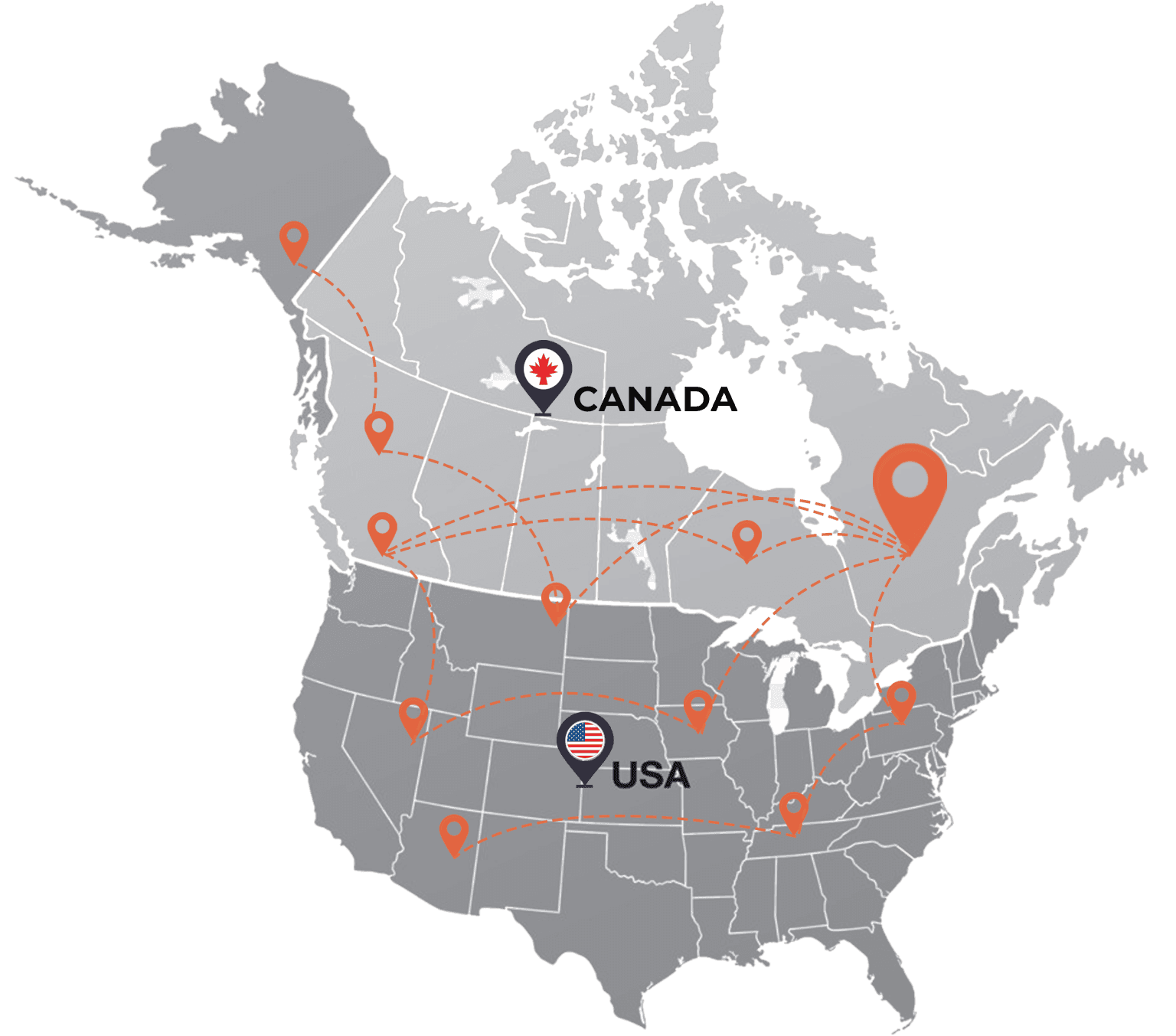
At Meher Transport, our cross-border division maintains a 99.4% first-attempt clearance rate and operates at all major US-Canada border crossings. Our team handles everything from documentation preparation to customs coordination, giving our clients a single point of contact for the entire cross-border journey.