Why Supply Chain Resilience Has Become Non-Negotiable
The past several years have delivered a series of unprecedented disruptions to global and North American supply chains — from pandemic-related shutdowns and port congestion to extreme weather events and geopolitical tensions. These disruptions exposed the fragility of logistics networks that were optimized purely for cost efficiency at the expense of flexibility and redundancy. In 2026, leading shippers are investing in supply chain resilience not as a luxury but as a competitive necessity, recognizing that the ability to maintain operations through disruptions is now a critical differentiator in the marketplace.
Carrier Diversification: Reducing Single Points of Failure
One of the most common vulnerabilities in freight transportation is over-reliance on a single carrier or a small group of carriers. When your primary carrier experiences a capacity crunch, a service failure, or an operational disruption, having alternative carriers already qualified, contracted, and integrated into your systems allows you to redirect freight with minimal delay. Best practice is to maintain primary, secondary, and tertiary carrier relationships for your most important lanes, with periodic volume allocation to each carrier to keep the relationships active and the carriers' performance validated.
Carrier diversification also means considering different modes and service types. A shipper that uses only FTL trucking has fewer options during a capacity crunch than one that has also developed intermodal (rail-truck) capabilities, LTL relationships, and access to expedited services. Each mode has different capacity dynamics, and a multi-modal approach provides more options when one mode becomes constrained.
Strategic Inventory Positioning
Where you hold inventory has a direct impact on your ability to serve customers when transportation is disrupted. Companies that concentrated their inventory in a single distribution center learned during recent disruptions that a single point of failure in their warehouse network can be just as damaging as a transportation failure. Forward-positioning inventory in regional distribution centers or third-party warehouses closer to major customer clusters reduces the distance freight needs to travel and provides alternative sourcing points if one location becomes inaccessible.
Safety stock strategies also deserve reassessment. The traditional just-in-time approach that minimized inventory holding costs assumed reliable and predictable transportation, an assumption that recent experience has challenged. Many shippers are now calculating their safety stock levels to account for transportation variability, not just demand variability, building a buffer that protects customer service levels when freight moves more slowly than planned.
Technology as a Resilience Enabler
Real-time visibility platforms have moved from nice-to-have to must-have technology for resilient supply chains. When you can see exactly where every shipment is and predict when it will arrive, you can identify potential delays early and take corrective action before they impact your customers. Modern transportation management systems (TMS) integrate with carrier GPS feeds to provide this visibility automatically, and the best platforms include predictive analytics that flag at-risk shipments based on traffic patterns, weather conditions, and historical performance data.
Beyond visibility, technology enables faster and better decision-making when disruptions occur. Automated carrier tendering systems can redirect loads to backup carriers in minutes, not hours. Digital freight matching platforms provide access to a broader carrier market for emergency capacity. And advanced analytics can model disruption scenarios and recommend optimal response strategies before the disruption even occurs, allowing logistics teams to prepare playbooks for the most likely disruption types in their network.
Building Strong Carrier Partnerships
In a disruption, the shippers who receive the best service from their carriers are the ones who treated those carriers as partners during normal times. Carriers prioritize capacity for customers who provide consistent volume, pay on time, operate efficient dock operations, and maintain respectful working relationships. Building genuine partnerships with your core carriers — understanding their cost drivers, providing accurate forecasts, and committing to fair and consistent volume — creates a foundation of mutual loyalty that pays dividends when capacity is tight and every carrier must decide which customers to prioritize.
Practical Steps You Can Take Today
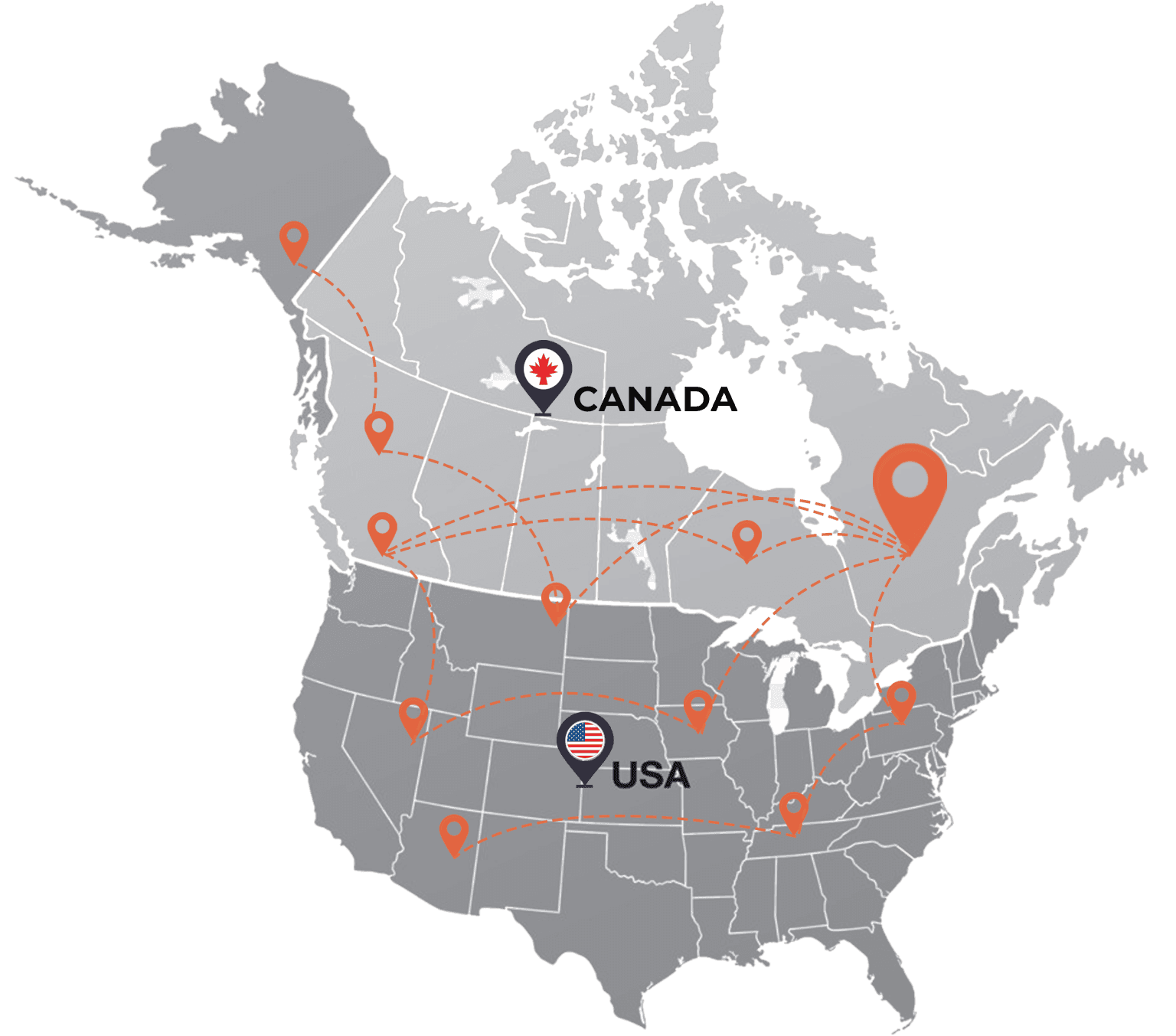
Building supply chain resilience does not require a massive upfront investment. Start by mapping your current network to identify single points of failure in carriers, routes, warehouses, and suppliers. Develop contingency plans for the two or three most likely disruption scenarios in your network. Qualify at least one backup carrier for every critical lane. Invest in visibility technology that gives you early warning of potential delays. And review your inventory positioning and safety stock policies to ensure they reflect the current transportation environment, not the predictable environment of a decade ago. At Meher Transport, we help our clients build resilient logistics networks through dedicated fleet programs that provide guaranteed capacity, multi-lane coverage that reduces concentration risk, and real-time tracking that delivers the visibility modern supply chains require.